First time Japan: A planner’s reflections
With 2023 already receding into view, the New Year seems like a good time for Angus Dodds to dust down his holiday snaps from a recent trip to Japan, and offer his thoughts on those glimpses of life from the land of the rising sun that have changed his views of life in more familiar surroundings…
As a first-time traveller around Japan last Autumn, it has taken the writing of this blog to get me to try to articulate what really marks Japan out as the most extraordinary place I’ve ever been. And trust me it was. Among many contenders however, I think the biggest revelation was simply experiencing urban Japan for myself. On a human level this meant discovering how the huge population of urban Japan rolls in practice. Quite unexpectedly, my experience was that I never felt rushed, crowded, or stressed by the humanity around me, nor did I feel that I was the irksome spoke in this most gigantic of human wheels. A remarkable discovery indeed.
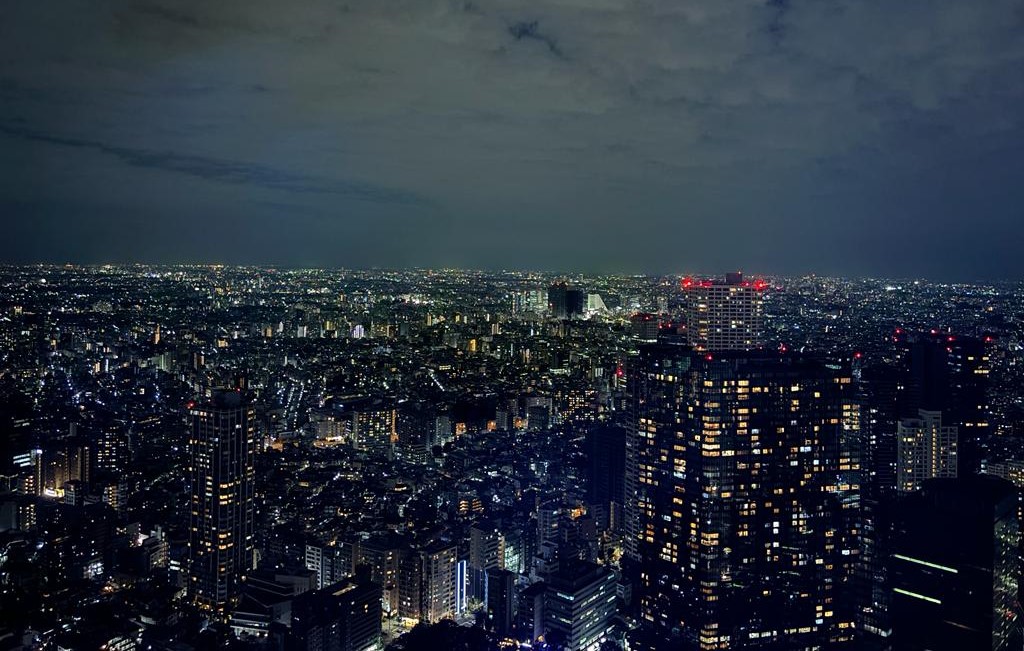
So what relevance, you may ask, do my positive holiday tales of riding the Tokyo subway and traversing the Shibuyu crossing have on the noble art of planning? Well, if the Scottish Parliament has decided through the Planning Act that the purpose of planning is to “manage the development and use of land in the long-term public interest”, anyone involved in the built environment might be interested in how all sorts of things work, at all sorts of scales, in all sorts of different ways, in a country that has taken urbanisation into completely new territory. When considering what might be the ‘long-term public interest’, especially when it comes to urban planning, there is definite value in reflecting on the Japanese experience.
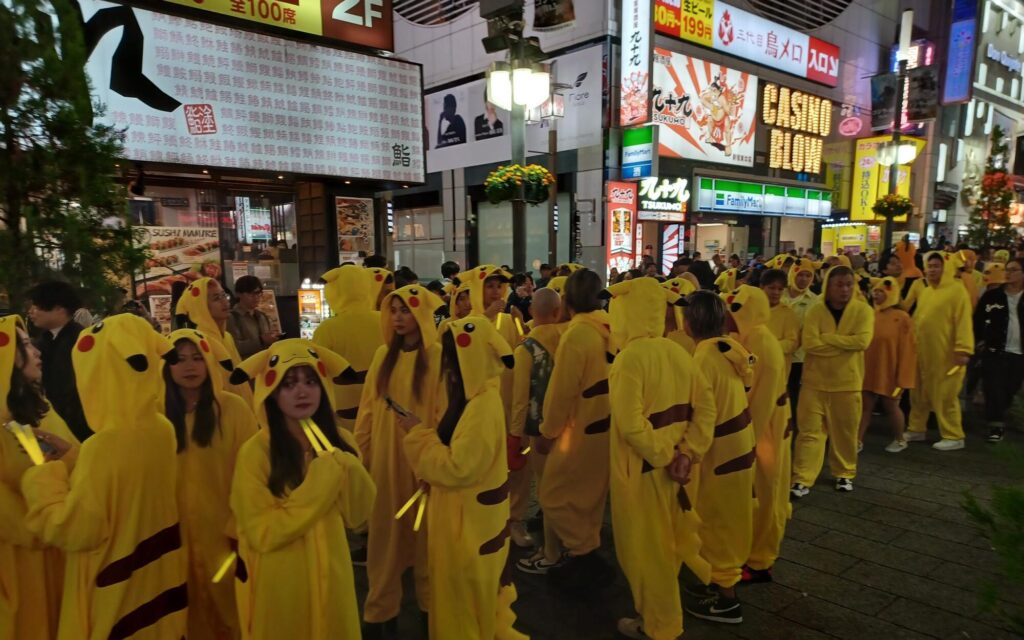
While absent from the western-centric histories of planning, Japan too has an urban legacy that is both rich and long. Indeed, in the 1740’s when Edinburgh’s New Town visionary James Craig was still a small child, and Edinburgh’s 50,000 or so residents were closing the city’s gates to the Jacobites, the population of Tokyo (then known as Edo) had just crossed the 1 million mark. By the time the 19th Century rolled around, the population of the USA was only half the 10 million or so in the UK, while Japan already had a population topping 30 million.
As well as maintaining such a huge population for so many generations, the physical geography of Honshu (Japan’s main island), means that only the relatively small coastal plains can be developed today – just as was the case in the past. As a result, greater Tokyo is now home to an eye-popping 35 million residents, on an island with an overall population of 105 million.
In both legacy and scale therefore, Japanese urban development is quite a different beast from its Occidental cousins. While it would be ridiculous on the back of a 2-week holiday to declare which is ‘better’, here are just a few of the clearly different approaches taken there that caused me some food for thought.
1. Mixed Uses/Amenity
It’s currently a very hot topic in Edinburgh where the Council has decided that it will have very little tolerance for any non-residential uses in areas of the city where people live. By contrast in Japan, where space constraints limit how many commercial enterprises can enjoy a ground floor presence, and where the food and drink culture means that there is a restaurant for every c.250 people, food and drink establishments are accommodated at every level of mixed use blocks that also include residential properties. In this example from Hiroshima, you will note the surprising presence of an Orcadian themed whisky bar on floor 2!

2. Eating out
Competition is inevitably high with such an elevated concentration of restaurants, and with the continued post-pandemic presence of the ‘salaryman’ commuter (Japanese work life remains stubbornly a male-domain), there are amazing lunchtime deals to be had.
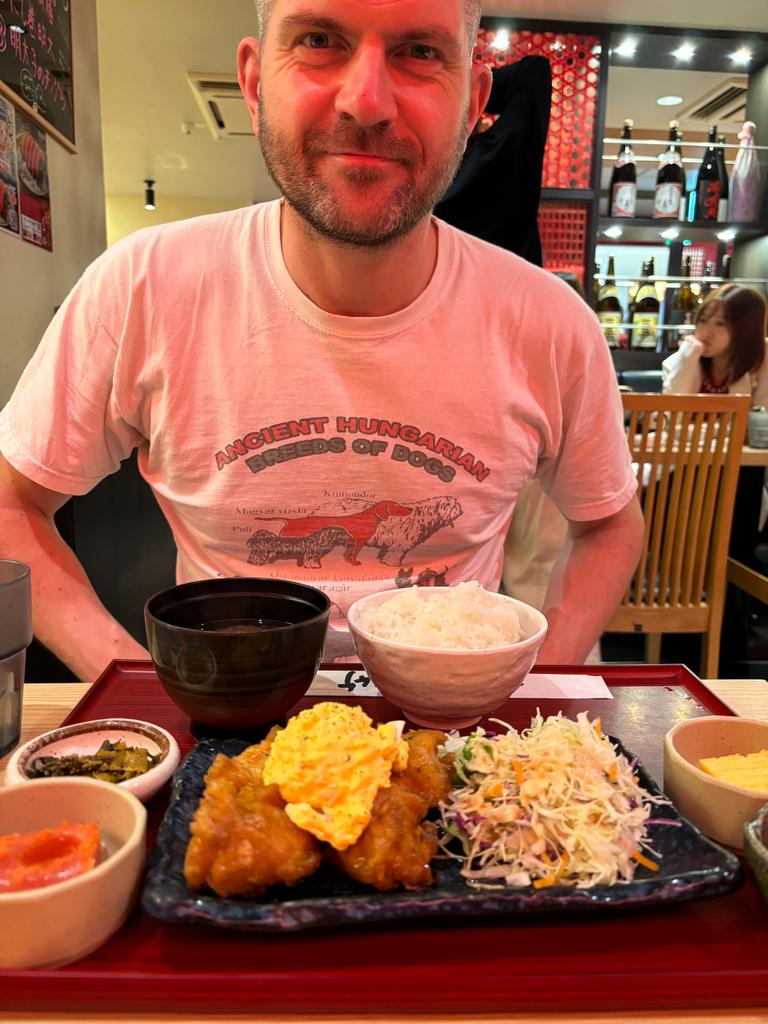
I was feeling painfully jet-lagged at this restaurant beneath Tokyo’s Maranouchi station on our first day! Nevertheless, I was revived by a classic set lunch of miso soup, kimchi salad, beansprouts, chicken and omelette, steamed rice, tofu and green tea. All for the princely sum of 950JPY (£5.12). Incidentally I could have had a beer for an extra £2.50.
By contrast, such princely fare makes this sign I saw on my return to Edinburgh, a rather depressing sight. Given the average monthly net salary after tax in Edinburgh and Tokyo are so similar (Edinburgh £2387; Tokyo £2473), comparators like this really hammer home why discussions around the cost of living in the UK are so current.

3. Trains
Visit Detroit today and you’ll see that its passenger railway station is about the same size as Stonehaven’s; the colossal Michigan Central station having been closed in 1988 due to plummeting passenger numbers. It’s ironic then, that in Japan, the country largely responsible for the decline of ‘Motown’ through the success of its own automotive industry, trains and train stations act as the oil and the machinery that keeps its major centres moving today.
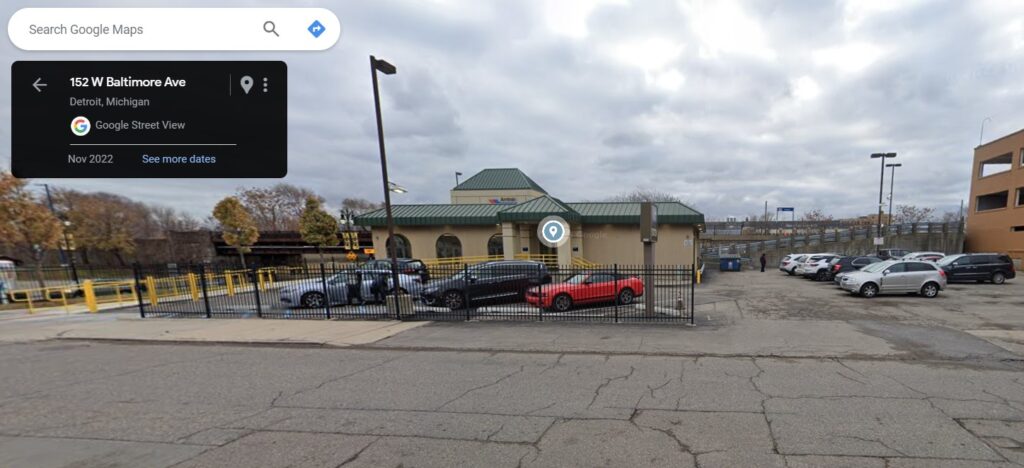
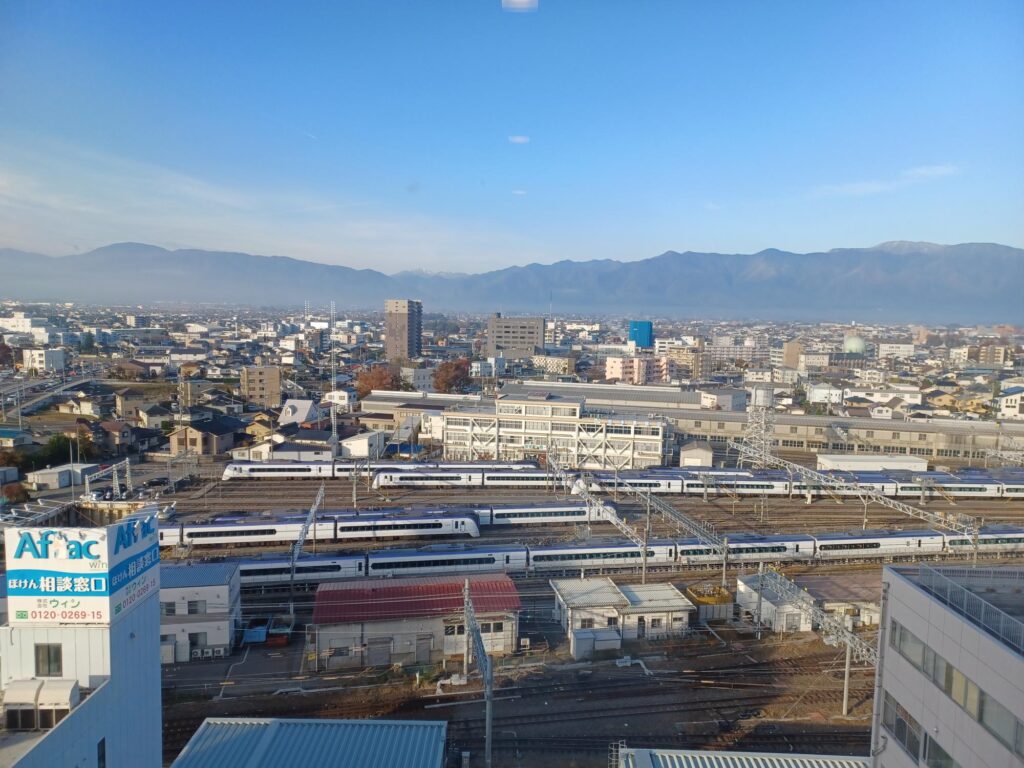
In contrast to Detroit, Japan’s urban stations are gargantuan. And in ways now being copied in the UK, they play host to shopping, leisure and entertainment, food and drink, hotels, as well as accommodating the lightning-fast bullet trains that Japan is so famous for.
What I hadn’t realised about bullet trains however, is just how long they have been a feature of Japan’s transport mix. As the UK still prevaricates over the provision of high-speed rail, its astonishing to note that the ‘shinkansen’ (Japanese for ‘new trunk line’) was first introduced in 1964 to accommodate 130mph trains which immediately shaved 2 hours 40 minutes off the 247-mile journey from Tokyo to Shin-Osaka. Even faster trains today mean this journey has been cut by a further 40% to only 2 hours 25 minutes.
I also hadn’t reckoned on the frequency of shinkansen services. These aren’t just show-ponies, rolled out a few times a day for visitors and tourists. If travelling during office hours, you can expect 7 bullet trains an hour travelling the original Tokyo to Shin-Osaka route. Mind you, given the route also stops at Yokohama, Nagoya and Kyoto (aggregate metropolitan population of all stops c.65 million), it’s maybe no wonder that the shinkansen lies at the heart of the country’s public transport system.
4. Luggage
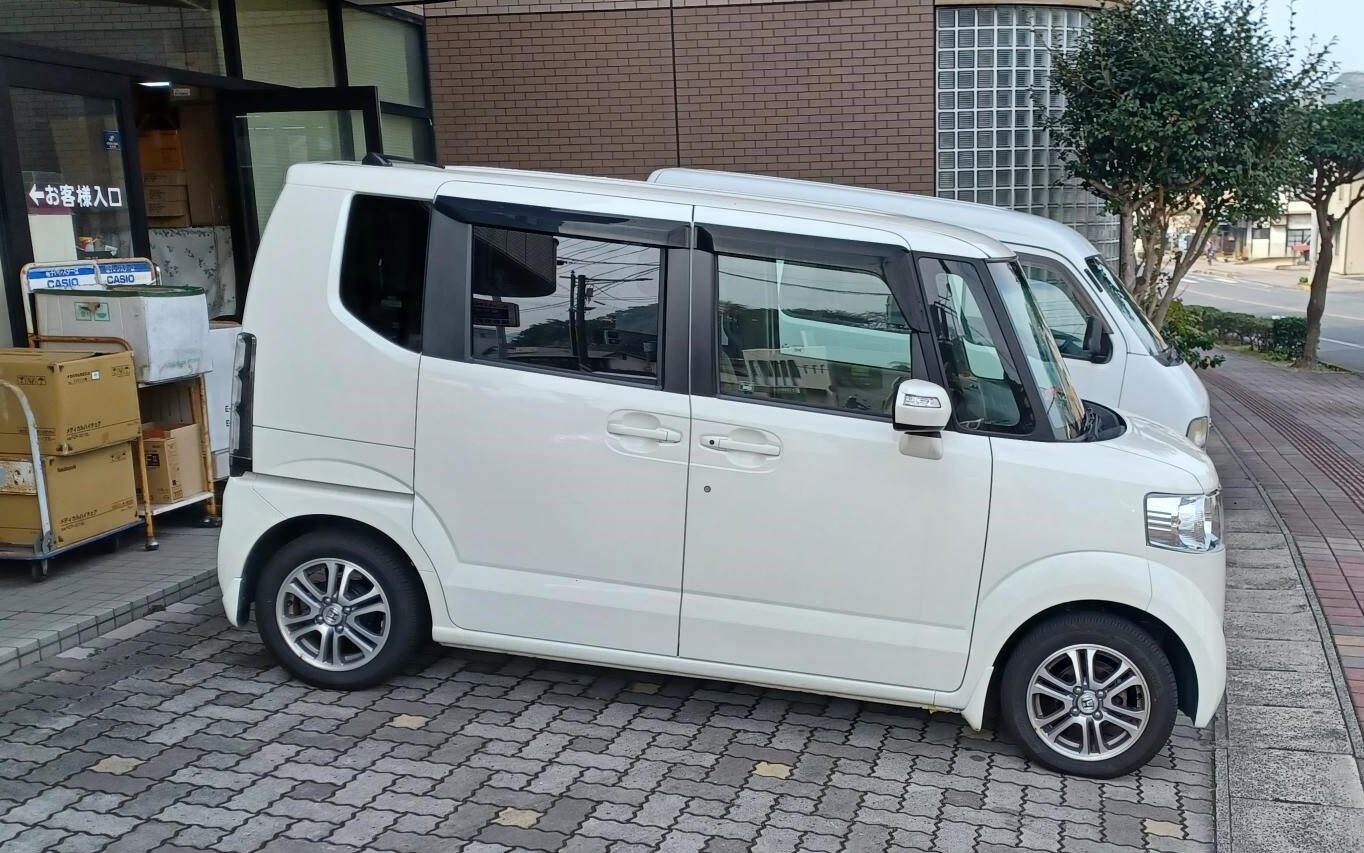
High speeds aside, where train travel in Japan is also in marked contrast to the UK, is through the absence of large suitcases cluttering up carriage aisles and acting as trip hazards in the streets surrounding train stations. The reason for this, is that the enterprising Japanese long-ago realised that there was little joy to be had humffing heavy suitcases through crowds and onto public transport. As a result, a highly sophisticated and entirely reliable national luggage-transfer service came into being.
The concept is very simple, with almost all major hotels linked into a system that incorporates Japan Rail’s smaller local lines and an armada of Postman Pat style delivery vehicles (see photograph). Together, these transport your luggage in 24 hours from the reception desk of your hotel on departure to the bedroom of your hotel the following night. While this means that you do need to pack a small bag with whatever you need in your accommodation that night and the following morning, overall, it makes longer trips with multiple longer stays an absolute breeze.
Our longest luggage transfer covered a distance longer than that from Edinburgh to London, for around £12 per c.20kg suitcase. Just as expected, our bags were there on time, on the floor of our bedroom in Matsumoto in the Japanese Alps, a day after leaving them in sub-tropical Hiroshima (an understandably fascinating but surprisingly fun city).
5. Litter
Quite incredibly, there is next to no litter in Japan. None. This absence is not just in the manicured gardens of Kyoto, but also on the streets of any of its great cities. Even more surprisingly, there is also an almost complete absence of public bins on Japanese streets. Given its bulging population in almost every direction, not to mention the preponderance of convenience stores and vending machines on the streets of every settlement, the lack of litter puts our own approach to discarding waste in disgraceful relief.
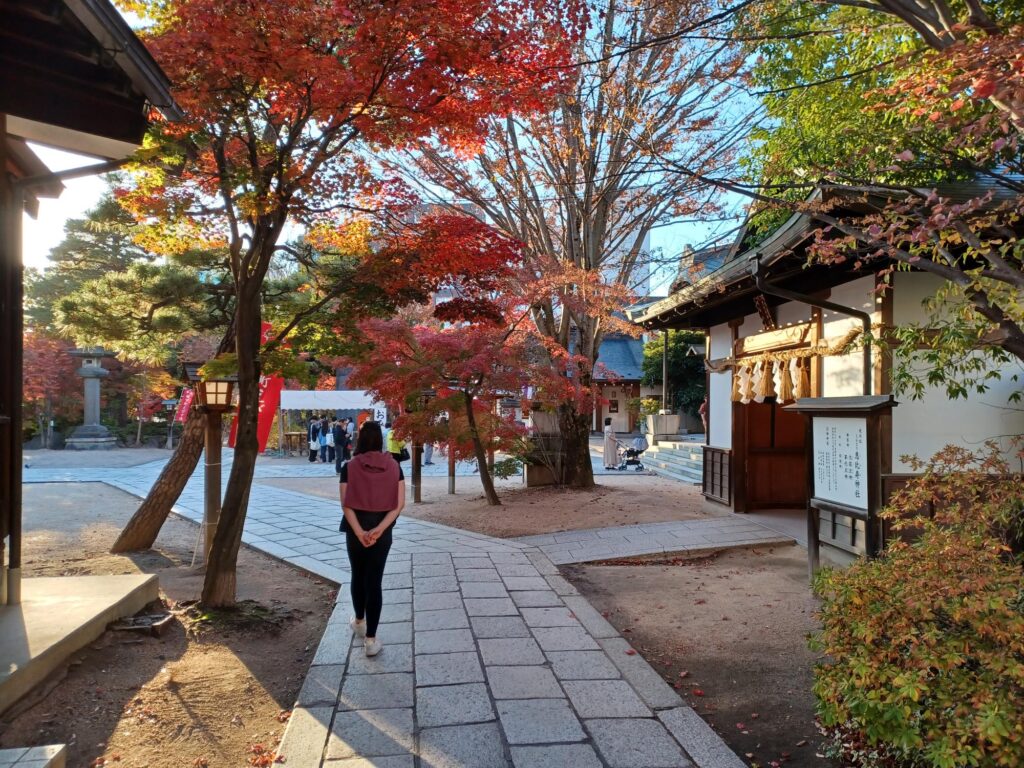
Truth be told, more than any other single thing I saw or encountered in Japan, the lack of litter seemed both the most unbelievable thing, yet perhaps also the easiest thing to aspire to copy. It wouldn’t require the billions involved in providing a new high-speed rail system, nor would it involve inverting our cultural mores when it comes to accommodating activity in residential areas. In fact, the Venn diagram of ‘litter’ and ‘planning’ has only the slightest of intersections. Nevertheless, none but the archest contrarian could argue that taking more of a Japanese approach to litter would be undeniably in the long-term public interest.
My Local elected representatives should expect correspondence on some or all of the above, later in 2024!…
If you want to speak to Angus about anything at all concerned with planning, feel free to Get in touch on 07729 873829, or by email at angus@contourtownplanning.com
First time Japan: A planner’s reflections Read More »